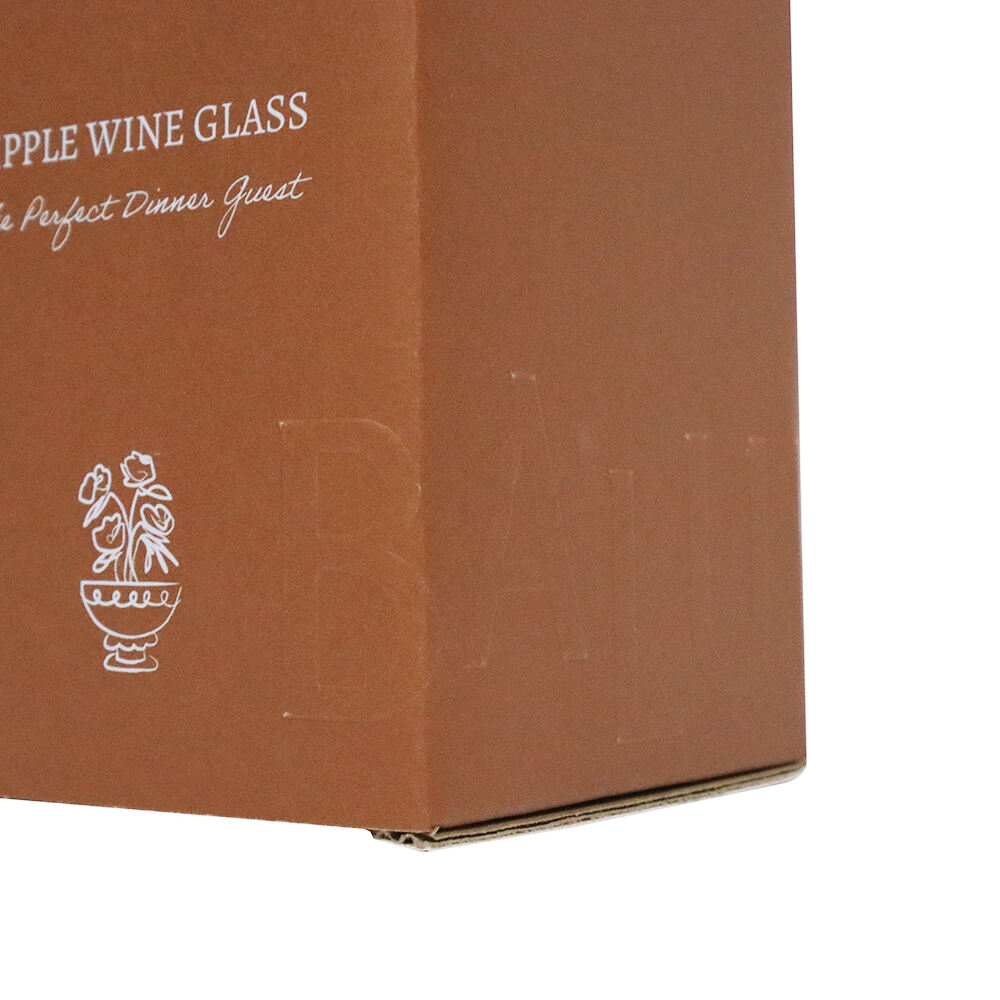
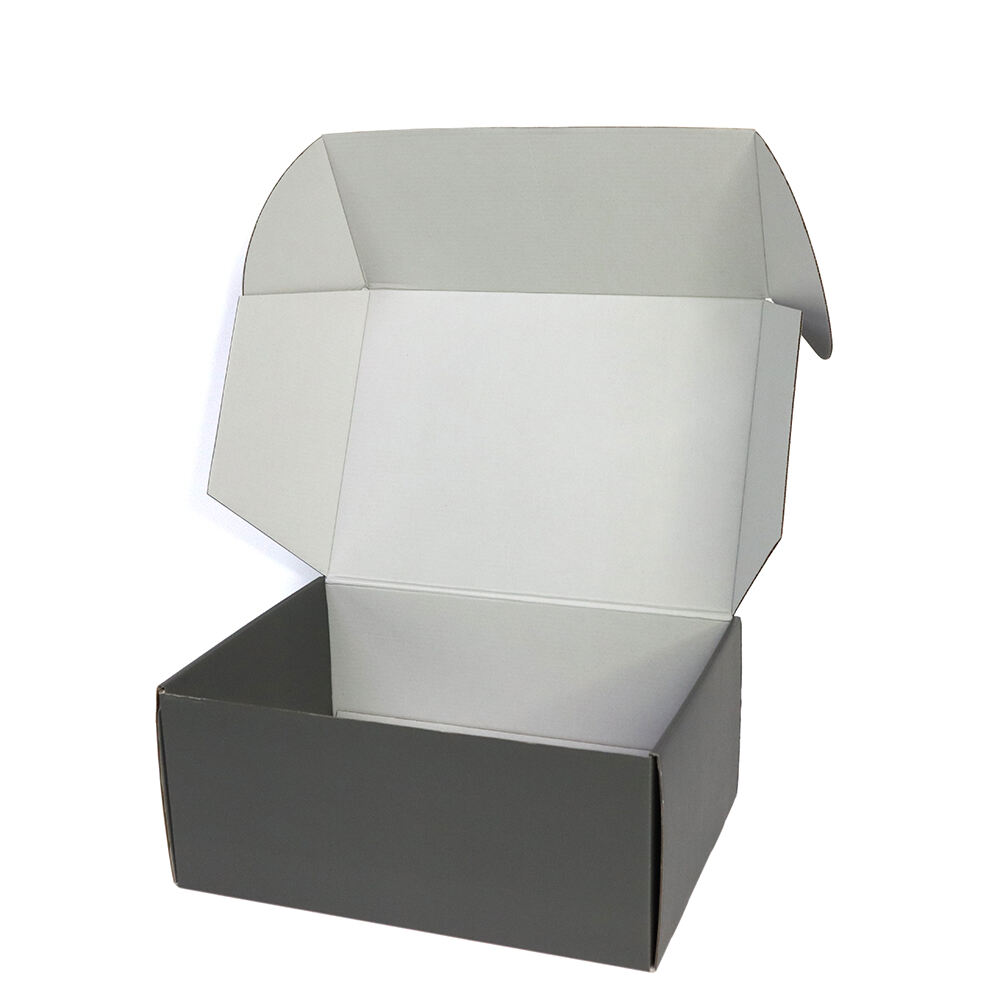
The durability of corrugated boxes comes from their clever layered construction. Basically, there are two flat layers of paperboard surrounding a middle layer that looks like waves when viewed up close. These wavy sections act kind of like tiny arches throughout the box. When something hits the box, these little arches spread out the force so one spot doesn't get crushed under pressure. What's really neat is all that empty space between those wavy layers acts as natural padding without making the box heavy at all. Take a regular single wall box for example it can hold stuff weighing around 50 pounds but only weighs a few ounces itself. That shows how smart engineering lets lightweight materials do serious work instead of needing something super heavy and bulky.
Flute profile selection tailors protection to application needs:
According to tests conducted by the Fibre Box Association in 2023, corrugated material stands out when it comes to strength efficiency. The stuff can actually withstand 3 to 5 times more compressive force per gram compared to regular solid fiberboard. What makes this really important? Well, the strength to weight ratio basically allows warehouses to stack products much higher without risking damage. Plus, companies save money on shipping because lighter packages mean lower dimensional weight charges and less fuel burned during transport. Throw in the fact that about 95% of corrugated packaging gets recycled thanks to existing collection systems across most regions, and it becomes clear why so many businesses still prefer these boxes despite all the talk about alternatives. The combination of durability, cost savings, and environmental benefits keeps making corrugated a top pick for anyone serious about efficient logistics.
The way corrugated materials are structured actually saves money in logistics operations. According to a report from McKinsey back in 2022, when companies switch from rigid plastic containers to standard corrugated boxes, they typically cut down on package weight around 22%. What does that mean practically? Carriers charge less based on dimensional weight calculations, and trucks burn less fuel overall. For businesses shipping massive volumes every year, these savings really add up over time as thousands of packages move through the system. The secret lies in those little flutes inside the cardboard. They strategically place material exactly where it needs to bear weight and absorb shocks during transport, which means there's no unnecessary bulk weighing things down while still keeping contents safe and secure.
Reducing package weight makes a real difference in cutting carbon emissions. The International Energy Agency tells us that cutting cargo weight by 10% brings down transportation emissions roughly 6.5%. When we look at actual numbers, this becomes clear. Take a regular 32 foot truck loaded with 20,000 pounds of merchandise. Switching to better designed corrugated boxes could slash around 130 pounds of CO2 emissions per delivery run. Lighter loads mean vehicles need less power to get moving, keep going, and climb hills. Over time, these savings stack up across entire truck fleets, different delivery routes, and throughout all seasons. For companies aiming to reach their net zero targets, lighter packaging offers concrete results backed by real science rather than just good intentions.
What makes corrugated stand out isn't just about how strong it is as a material but also how smartly it gets used. When packages are sized correctly, there's no empty space for things to move around and bump into each other during shipping. Inside, special dividers, cut out pieces, or even custom made foam help keep everything in place exactly where it needs to be. A recent study found that when these techniques are combined, they cut down on damaged goods during transport by almost half compared to those big, generic boxes most people use. The wavy structure itself helps protect items too because it soaks up and spreads out the force from bumps, shakes, and pressure points across the box rather than letting it hit fragile parts directly. This works really well for all sorts of tricky shipments including things like computer parts, glass items, and weird shaped machine components without needing extra layers of packaging or complicated engineering solutions that cost extra money.
The Edge Crush Test, or ECT for short, measures how well corrugated boxes hold up under vertical pressure. This is basically what determines if boxes will stay intact when stacked high in warehouses or during transport. ECT ratings start at around 32 for regular duty boxes all the way up to 55 for those heavy industrial applications. Each step up in rating means we can pack things tighter and stack them higher on pallets. Take a 44 ECT box for instance. These babies can actually support over 1,200 pounds when stacked properly. That kind of strength lets companies maximize their warehouse space, sometimes squeezing out an extra 30% efficiency compared to boxes with lower ECT scores. Stronger boxes mean fewer damaged goods in those multi-level storage setups. They also speed up loading and unloading operations since there's less need to constantly adjust stacks. And let's face it, nobody wants to spend time restacking boxes after they've been moved. Standardized ECT ratings give logistics folks a reliable way to figure out exactly how high they can safely stack boxes in different conditions. Whether dealing with humid warehouses, cold storage units, or shipping containers across oceans, these standards take away the guesswork and help maintain product integrity throughout the entire supply chain.
 Hot News
2025-05-21
2025-05-21
2025-05-21
2025-05-21
ONE PLUS ONE PACKAGING is a leading OEM paper packaging manufacturer in China. Specializing in rigid boxes, magnetic folding boxes, and gift boxes, we offer custom packaging solutions with 13+ years of experience and top-quality service.
Room 102, Building 4, Huide Commercial Building Chebei Street,Tianhe District,Guangzhou city,Guangdong Province.China.510660
Copyright © 2025 by GUANGZHOU ONE PLUS ONE PACKAGING CO., LTD Privacy Policy
 EN
EN