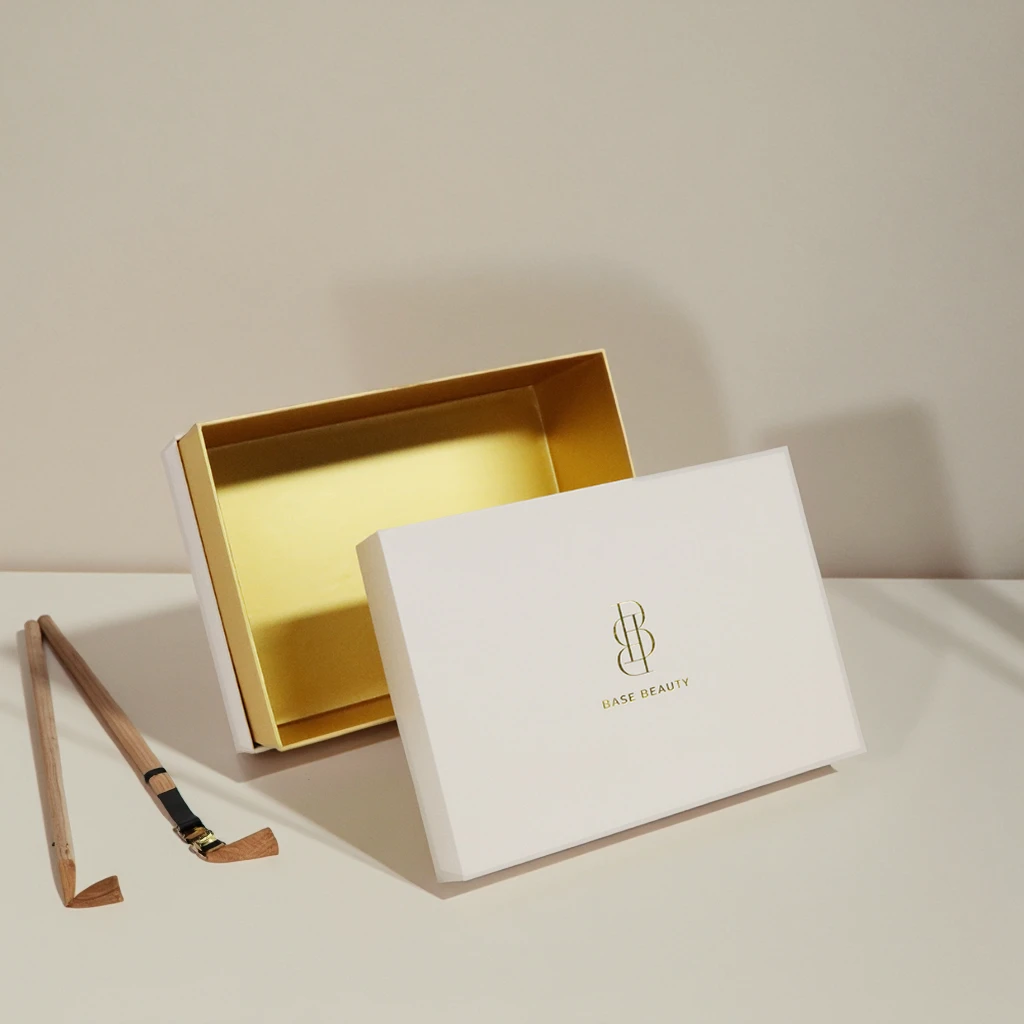
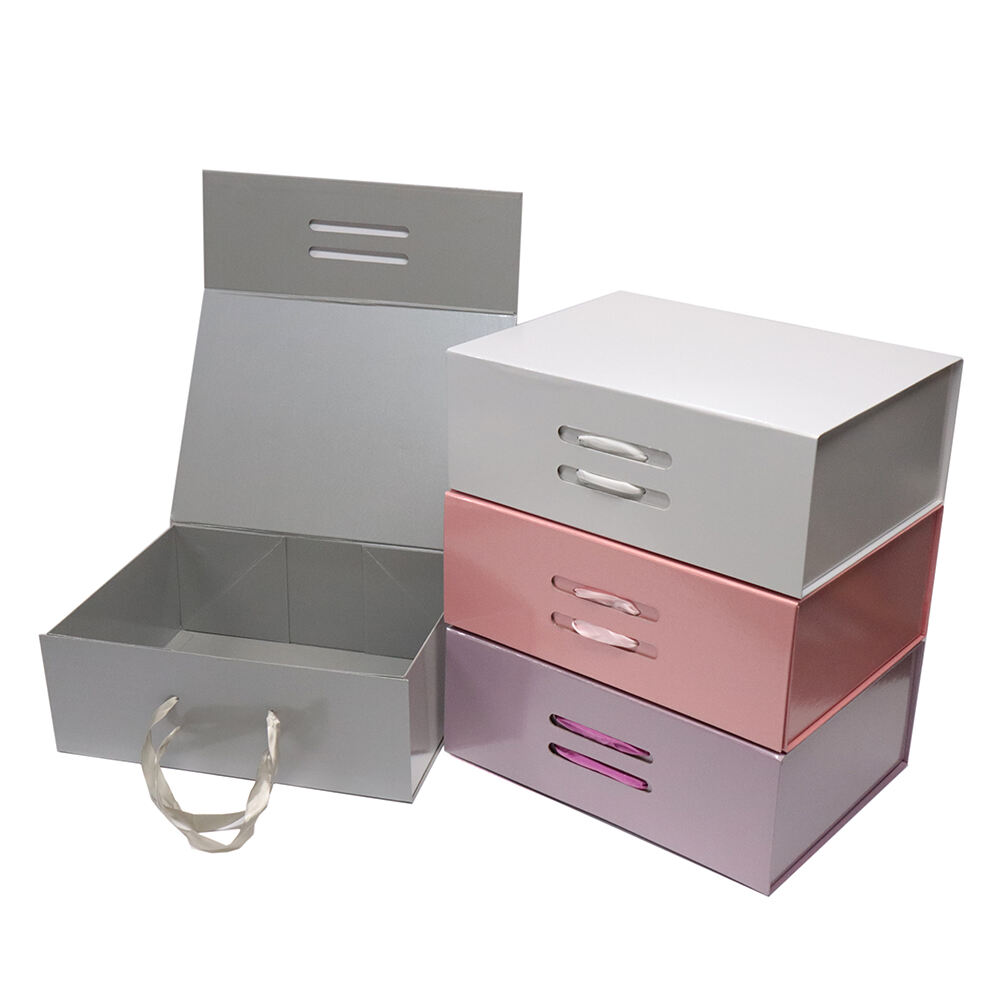
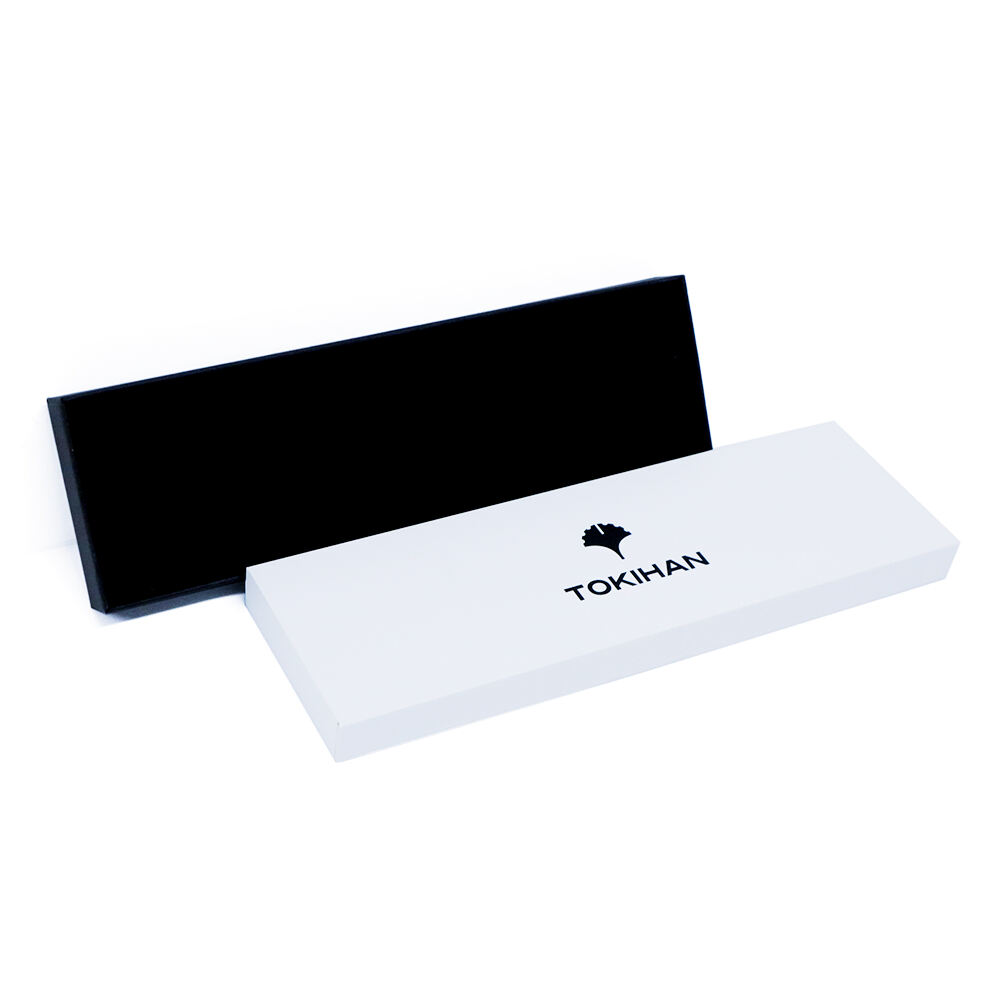
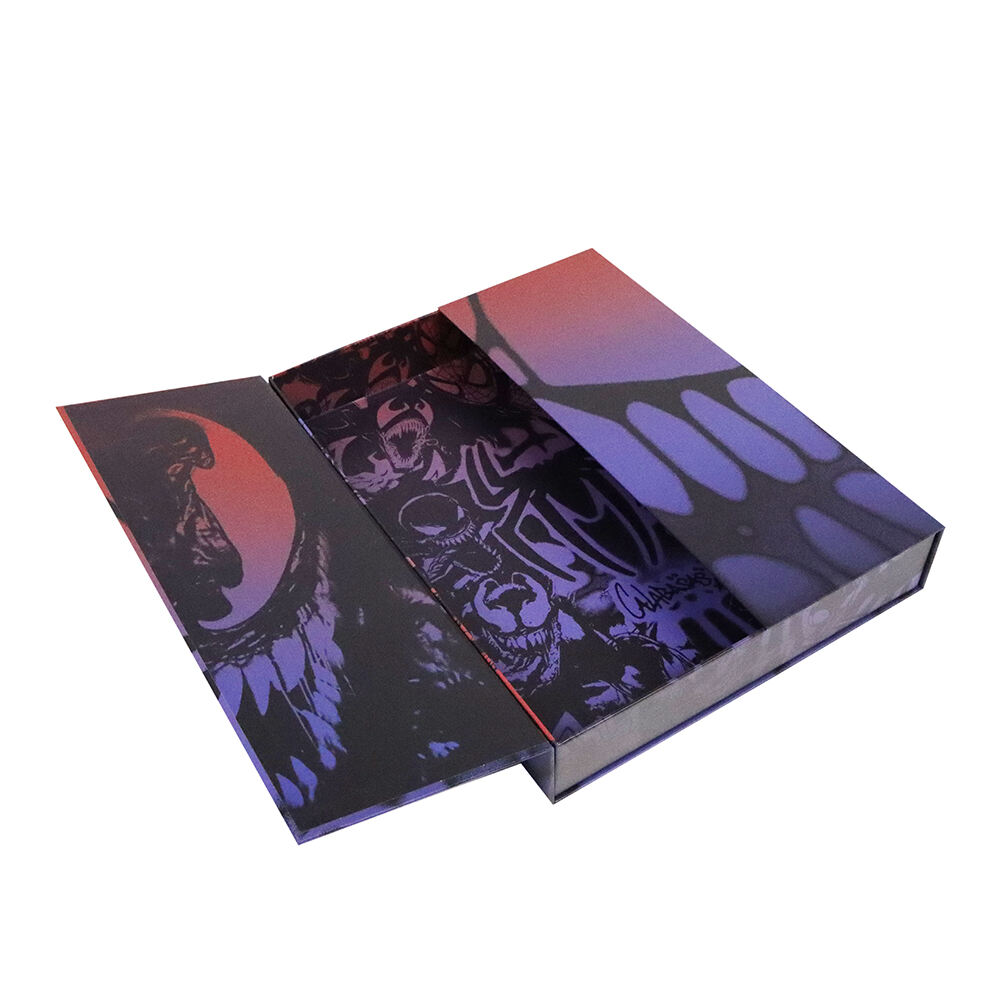
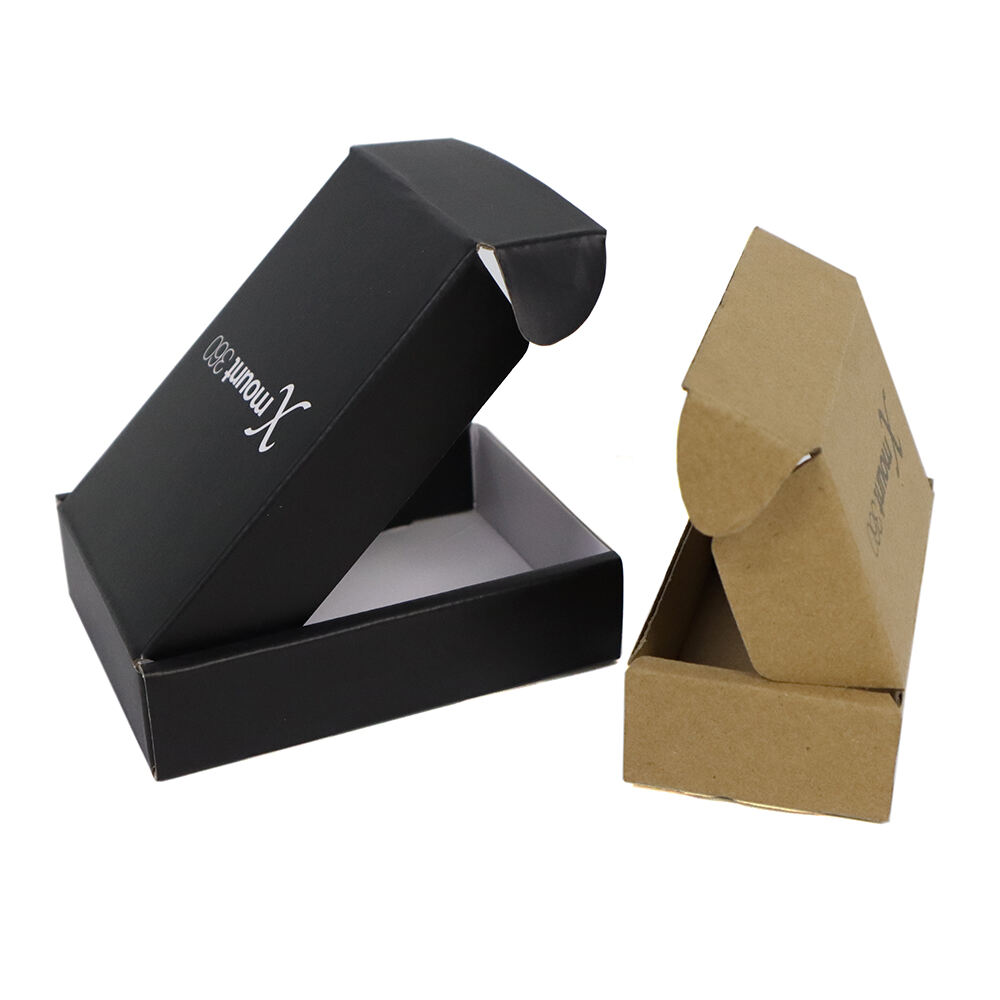
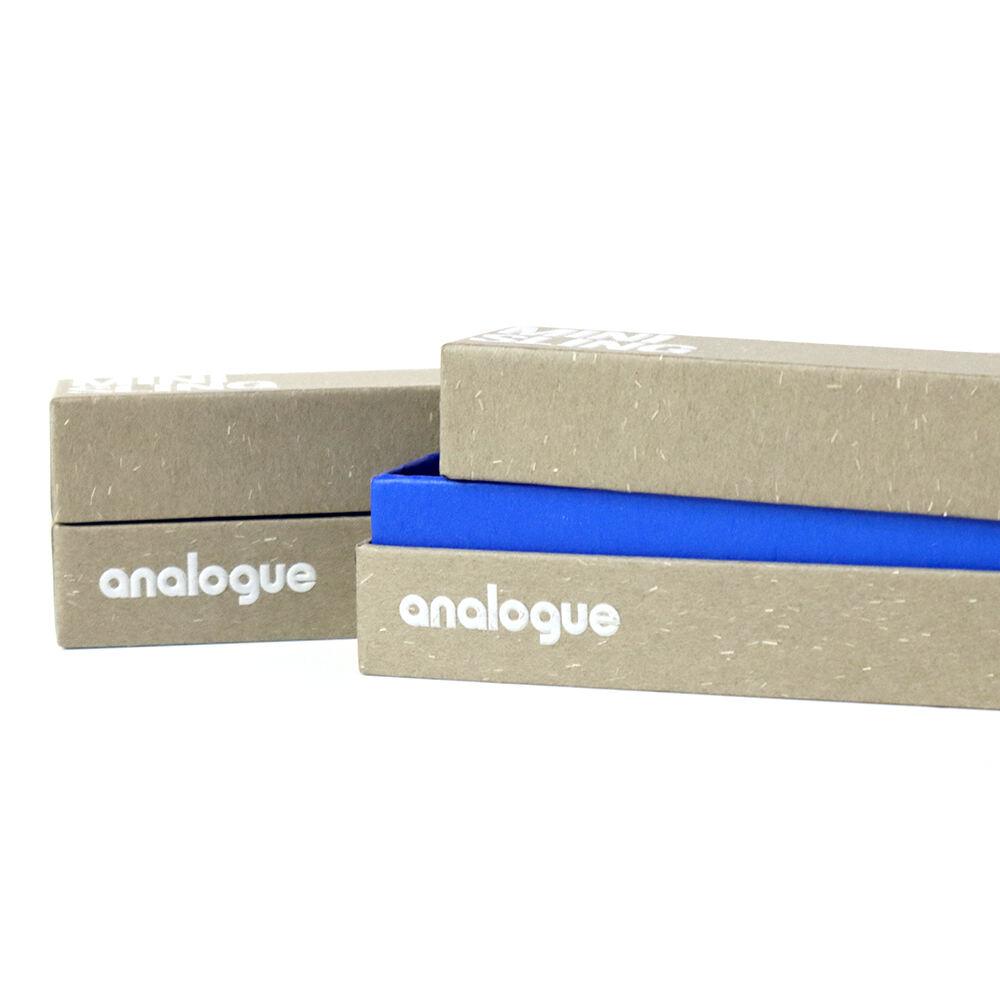
Rigid boxes, sometimes referred to as set up boxes, stand out as packaging solutions that won't collapse. They're built to protect high value products and really showcase branding efforts. These differ quite a bit from regular folding cartons which are made with bendy paperboard material. Rigid boxes have walls that come already assembled, typically crafted from thick chipboard ranging between 1.5mm to 3mm in thickness. What makes them special is how they stay firm and strong even without anything inside them. Industry tests back this up showing these boxes hold their shape much better than alternatives, making them a smart choice for companies looking to make an impression while keeping their goods safe during transport.
Three core characteristics define rigid box construction:
Most manufacturers go with kraft board, B-flute chipboard, or recycled fiberboard when building their base materials. These are often given extra protection through UV coatings or foil stamping which makes them last longer and look better too. The way these boxes are constructed actually allows them to handle about 40 percent more pressure compared to regular corrugated options. Plus they create that fancy feel when someone opens the package, which is why so many premium products come in this type of packaging. Luxury brands especially love these boxes because they just look and feel more expensive from the moment the customer gets them.
Rigid boxes deliver unmatched protection and premium presentation, making them essential for industries where both performance and perception matter. The global rigid box market reached $211.50 billion in 2023 (market analysis, 2024), driven by demand for damage reduction and elevated unboxing experiences.
Luxury brands use rigid boxes to reflect product exclusivity through superior structure and tactile finishes. The luxury segment accounts for $4.28 billion (2024) and dominates categories like watches, jewelry, and cosmetics.
| Category | Key Features | Adoption Drivers |
|---|---|---|
| Magnetic closure boxes | Secure latching, reusable design | Premium unboxing experience |
| Paperboard construction | 66.7% market share | Recyclability, print versatility |
| Foil-stamped finishes | High visual impact | Brand differentiation |
The electronics industry prioritizes rigid packaging to protect sensitive devices during transit, with 45% of damage claims tied to inadequate packaging (electronics safety report, 2023). Custom foam inserts, double-walled construction, and shock-absorbing designs minimize risk, while matte laminates and embossed branding enhance shelf presence for premium gadgets.
Rigid boxes elevate corporate gifting by combining durability with sophisticated branding. A 2023 survey found that 68% of recipients reuse these boxes, extending brand visibility. Sustainable options—such as FSC-certified paperboard and soy-based inks—meet environmental goals without compromising structural strength, making them ideal for multi-item gift sets.
When it comes to customization, surface treatments play a big role in making sure a brand stands out visually. Matching spot colors gets those exact shades right on target, and embossing gives products that nice textured feel people associate with high end stuff. Matte laminations work really well when combined with foil stamping too, creating those eye catching reflective effects that most design experts recommend these days. A recent look at what's trending in packaging for 2024 shows something interesting: about half (that's 52%) of shoppers actually prefer brands that go the extra mile with premium finishes. And get this, products with debossed patterns somehow seem worth 34% more to customers just based on how they look!
Getting the interior just right matters a lot when it comes to both protecting items and making them work well. Foam inserts shaped exactly to fit products keep things from shifting around during transport. Many people love magnetic closures these days because they click shut nicely, which makes packaging look great for gifts. The satin lining inside compartments isn't just fancy either it actually helps customers reuse boxes for storing small stuff later on. Some newer options worth mentioning are those honeycomb paper inserts. They give similar protection to regular polystyrene padding but leave behind way less waste. Studies show they cut down environmental impact by roughly four fifths compared to traditional materials, so plenty of green minded companies have started switching over to them recently.
Modern B2B buyers seek packaging that balances environmental responsibility with long-term cost efficiency. Rigid boxes support this goal through durable construction that enables reuse and modular design, aligning with sustainability targets and financial planning.
Many top producers are switching to FSC certified paperboard along with recycled PET liners these days, and some sturdy boxes actually contain as much as 95 percent material from previous consumer use. The industry has also started incorporating water based coatings alongside biodegradable glues which makes recycling easier overall. According to recent studies, this approach cuts down on landfill trash by around forty percent when compared against traditional packaging methods. Such improvements align well with circular economy goals while helping businesses comply with those tough ISO 14001 requirements for their environmental reports. Companies across foodservice and retail sectors have found these changes not only environmentally responsible but also increasingly cost effective over time.
Rigid boxes do cost about 15 to 20 percent more initially compared to regular folding cartons, but they last much longer which makes them worth the investment in the long run. According to a recent study from 2024 looking at product lifecycles, these stronger, modular designs cut down on replacements needed by around 30% over three years. Most companies find themselves breaking even on this extra expense within just 18 months when shipping valuable goods. Industry experts are taking notice too. About two thirds of procurement managers say customers perceive their brands better when using rigid packaging, plus there's been roughly a quarter reduction in damage claims since making the switch according to research published by Kloepfel Consulting last year.
 Hot News
2025-05-21
2025-05-21
2025-05-21
2025-05-21

ONE PLUS ONE PACKAGING is a leading OEM paper packaging manufacturer in China. Specializing in rigid boxes, magnetic folding boxes, and gift boxes, we offer custom packaging solutions with 13+ years of experience and top-quality service.
Room 102, Building 4, Huide Commercial Building Chebei Street,Tianhe District,Guangzhou city,Guangdong Province.China.510660
Copyright © 2025 by GUANGZHOU ONE PLUS ONE PACKAGING CO., LTD Privacy Policy
 EN
EN