 EN
EN

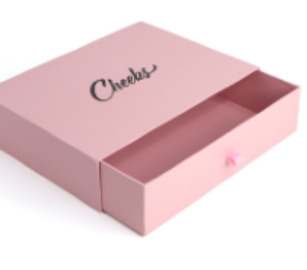
The Importance of Drawer Box Design in Luxury Brand Perception
How drawer box structure influences consumer perception of premium packaging
How a drawer box feels when opened says volumes about quality long before anyone reads any text on it. The way drawers glide smoothly, how tightly panels fit together, and whether the whole thing feels balanced all create impressions of good workmanship and attention to detail. Some studies indicate that just looking at the structure of packaging can actually affect how valuable people think something is worth, maybe around 40% for high end products according to industry reports. When someone opens a luxury item and finds no resistance in the drawer movement, they tend to see that as a sign of quality engineering. But if there are gaps between parts or wobbly slides, that immediately makes the whole thing seem less special. Even small details matter like those little handles on drawers. A nice metal handle set back slightly from the surface screams sophistication, whereas simple cutouts straight through the wood often scream factory made. These physical interactions create an emotional connection with customers even before they get to see what's inside. For brands wanting to position themselves as luxury options, getting these structural elements right isn't optional anymore.
Aligning packaging elegance with brand image and market positioning
The look and feel of any product needs to tell the story behind the brand, not just look pretty on paper. Clean lines and subtle debossing work well for modern luxury customers who want something understated but still confident. On the flip side, fancy foil stamping patterns really hit home with those looking for tradition and history in their purchases. What materials get used depends heavily on what market we're talking about. Recycled velvet inside boxes appeals to people worried about environmental impact, while silk lining shows off real high end quality. The finish matters too. Soft touch surfaces give that friendly luxury vibe, but nothing says craftsmanship like good old fashioned hand applied lacquer. When all these details line up with what the brand stands for, packaging stops being just a container and starts telling stories instead. And companies that get this right see around 30 percent better customer loyalty over time.
Material Selection: Balancing Durability and Premium Feel in Drawer Boxes
Choosing rigid materials that ensure strength without compromising sophistication
High end drawer boxes need materials that keep valuable stuff safe and look exclusive at the same time. The rigid paperboard stuff, around 18 to 32 points thick, gives the box enough strength to hold delicate things like jewelry or electronic gadgets without getting crushed during shipping. These boxes also keep their sharp edges which is really important when presenting something as a luxury item. When it comes to touch feel, special finishes make all the difference. Soft touch lamination gives surfaces a nice velvet like feel that just screams quality. Textured linen papers bring an earthy elegance to the package. According to some recent research in packaging trends, about 78 percent of people who buy luxury goods link thicker materials with higher product value. That makes sense because we tend to equate heft with worth. But there's always a balancing act involved. Reinforced corners and internal supports help keep these boxes looking slim and elegant even though they can withstand pretty rough handling tests similar to what military equipment goes through.
The paradox of lightweight materials vs. perceived value in luxury packaging
Eco-friendly materials such as bamboo fibers or those made from mycelium typically come in at about 40 percent lighter compared to regular paperboard. But here's the catch - research into consumer psychology shows people still link weight with quality. Studies found around two thirds of participants thought heavier packages looked "more premium" when they couldn't see what was inside. So there's this real conflict happening right now between going green and meeting what customers expect to feel good about their purchases. Smart companies are finding ways around this by making their sustainable packaging feel substantial without actually being heavy. Some use textured surfaces, others play with shapes or add layers that give that satisfying weight without all the extra mass.
- Tactile counterweights: Metal clasps or stone-paper inserts that increase hand-feel mass
- Acoustic engineering: Materials engineered to produce a rich, resonant “thud” rather than hollow echo when closed
- Visual density cues: Deep embossing that casts dramatic shadows, mimicking material thickness
The goal isn't added weight—it's calibrated sensory alignment between lightweight innovation and luxury expectations.
Customization Options for Brand-Specific Drawer Box Packaging
Tailoring drawer boxes with magnetic closures, custom shapes, and structural details
When companies customize drawer box structures, they turn ordinary packaging into powerful brand representatives. Magnetic closures give that nice click feeling when opening and closing, plus they keep expensive items secure inside something most luxury buyers want according to Packaging Digest from last year (around 78%). Moving past basic rectangular shapes, special cutouts let customers see what's inside at a glance. Some designs even have tiered sections or rounded edges that stand out visually. For things like makeup sets or jewelry displays, there are telescoping drawers with stronger inner supports that allow multiple layers of presentation. All these practical improvements actually boost how valuable people perceive the product to be. Research on store shelves indicates that items packaged this way can typically be priced about 14% higher than regular packaging options.
Using branding elements like foil stamping, soft-touch lamination, and embossing
When it comes to packaging, surface treatments are basically how brands speak through touch. Take foil stamping for instance. The shiny stuff works wonders on logos and designs, making products feel more luxurious according to market research showing around 60% improvement in perceived value. Then there's soft touch lamination which gives packages that nice, smooth feel people just want to run their fingers over. And who can forget about spot UV? It makes certain parts pop out from the rest of the package, creating visual interest. Deep embossing takes things further still. Packages with those raised geometric patterns tend to grab attention during unboxing moments about 40% more than regular flat printed ones do. What really stands out though is when multiple techniques come together. Imagine a slightly indented company logo surrounded by tiny foil accents along the edges. This kind of subtle design tells a story all on its own while projecting confidence and professionalism without needing any words at all.
Elevating the Unboxing Experience with Interior Lining and Finishing Touches
Designing interior inserts and linings for product protection and sensory appeal
When it comes to drawer boxes, interior linings do much more than simply hold things in place. They actually turn basic storage solutions into full-on brand experiences that engage all the senses at once. Think about plush velvet or satin lining inside these boxes. These materials not only protect expensive goods but also give customers that instant feeling of luxury when they touch them. And let's face it, most luxury shoppers (around 72%) really connect the quality of what they see and feel inside packaging with how valuable they think the brand is. Special custom foam inserts work wonders for fragile stuff like watches or high-end electronics, keeping everything secure so nothing gets damaged while being transported. Want to add another dimension? Try including some textured paper that makes noise when touched, or maybe even materials infused with subtle scents that waft out as soon as someone opens the box. Take the example of a compartment lined with suede and closed by magnets. This isn't just about protection anymore. Removing a watch from such a setup feels almost like part of a ritual. Brands that focus on these kinds of tactile interactions typically see their product values perceived as 30% higher, plus customers tend to stick around 18% longer. What was once just opening a package becomes something worth remembering.