 EN
EN

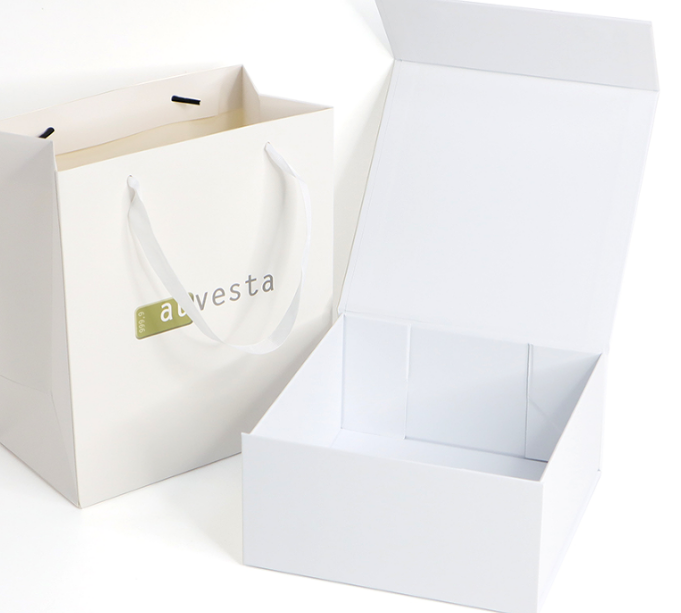
Assess Core Rigid Box Production Capabilities
Small-batch flexibility vs. wholesale scalability for rigid box orders
The ability to balance quick response times with high volume production is what sets apart good rigid box suppliers from great ones. Top manufacturers handle everything from small prototype batches right through to full scale production runs. They can work with orders starting at around 500 pieces but still manage to crank out over 10k units when needed. Most standard jobs take between 15 to 20 days to complete, although things get trickier with special finishes such as those soft touch coatings or fancy multi layer embossing effects which tend to push back delivery dates. When it comes to scaling operations, there are basically three things that matter most. First, having assembly lines designed in modules so they can switch between different product batches quickly. Second, keeping enough raw materials on hand like chipboard stock and various paper wraps. And third, pricing models that actually make sense for businesses wanting to order bigger quantities without getting stuck paying premium prices for smaller test runs.
Precision machinery and infrastructure for consistent rigid box quality
Consistent structural integrity and surface finish require advanced automation. Computer-guided die-cutting achieves tolerances within ±0.3mm—critical for precise window cutouts, hinge alignment, and fold-line accuracy across high-volume runs. Top-tier facilities integrate:
- CNC-controlled creasing for crisp, repeatable 90-degree corners
- Pneumatic pressing systems that eliminate adhesive bubbles and delamination
- Spectrophotometer-based color calibration to maintain brand-critical hue consistency
This infrastructure supports defect rates under 0.8%, aligning with industry benchmarks for luxury packaging where even minor surface inconsistencies undermine perceived value.
Material expertise: board thickness, rigidity grades, and finish compatibility for rigid boxes
Material misalignment is a leading cause of rigid box failure—responsible for 34% of field-reported issues according to peer-reviewed material science studies. Expert suppliers apply deep substrate knowledge to match performance requirements with aesthetic goals:
- Structural integrity: Selecting 1200–2000gsm chipboard based on product weight, stack height, and shelf-life expectations
- Surface compatibility: Pre-testing foil stamping, UV coatings, and aqueous laminates against paper wrap adhesion to prevent peeling or cracking
- Environmental resilience: Specifying humidity-stabilized adhesives and moisture-barrier liners to inhibit warping during transit or storage
- Finish synergy: Aligning embossing depth and direction with paper grain orientation to avoid fiber breakage or inconsistent relief
Evaluate Sustainability and Customization for Rigid Box Projects
Eco-materials, certifications, and low-impact production practices in rigid box manufacturing
When it comes to making sustainable rigid boxes, everything starts with the right materials and processes that have been properly certified. Companies should look for suppliers who work with FSC certified recycled boards instead of regular paper products. These boards cut down on landfill waste significantly compared to traditional options, sometimes as much as 60 percent according to industry data. Getting third party validation is really important too. ISO 14001 certification means a company actually tracks their waste reduction efforts, keeps tabs on energy usage, and follows through with genuine carbon neutral manufacturing steps. There are also other green practices worth considering. Water based coatings are much better for the environment than solvent based ones, and modern servo driven die cutting machines produce far less waste during production. All these factors help meet those ESG goals many businesses are focused on nowadays. And let's face it, customers care about this stuff. Recent surveys show around three quarters of shoppers would be willing to spend extra money if they knew their packaging was genuinely sustainable.
Structural engineering and brand-aligned customization options for rigid boxes
True customization extends beyond print—it requires collaborative structural engineering. Partner with manufacturers offering CAD-supported prototyping to validate complex features like magnetic closures, telescoping lids, or nested interior trays before tooling. Tolerances under 0.5mm ensure functional reliability and visual precision. Brand expression is elevated through:
- Foil stamping and debossing calibrated for tactile impact and light reflection
- Interior compartments engineered to cradle products without movement or pressure points
- Custom windows or acrylic inserts designed for optimal visibility and structural reinforcement
This level of integration reduces in-transit damage while strengthening first-impression impact—especially critical when 60% of purchase decisions are made at shelf (Forrester, 2023).
Prioritize Domestic (USA-Based) Rigid Box Suppliers
Faster turnaround, real-time quality control, and responsive communication with USA rigid box suppliers
When it comes to getting products out the door, domestic manufacturing really shines. According to Packaging Digest from last year, American rigid box makers cut down their lead times anywhere between 40% to 60% when compared to companies sourcing from abroad. Why? Well, no waiting around for ships to arrive or dealing with customs paperwork slows things down considerably. Being close also means we can actually see what's happening with quality control. Inspections happen right there at the factory while boxes are being scored, glued together, and finished off. Spot something wrong with how laminations line up or notice inconsistent creases? Fix it right then and there instead of shipping defective products all over the world. Plus, working within the same time zone and speaking the same language makes everything run smoother, especially when unexpected problems pop up. The numbers back this up too U.S. manufacturers typically handle supply chain hiccups three times quicker than their counterparts across the ocean thanks to established relationships with local vendors and better access to materials just when they need them most.
Transparent pricing, regulatory compliance, and supply chain visibility from domestic rigid box manufacturers
Domestic suppliers provide full cost transparency: itemized quotes clearly separate material, labor, finishing, and certification fees—avoiding the 15–25% hidden import surcharges common in offshore proposals. They operate under strict U.S. regulatory frameworks:
- Material safety: FDA 21 CFR compliance for food-contact and pharmaceutical applications
- Labor standards: Adherence to Fair Labor Standards Act (FLSA) wage and hour requirements
- Eco-regulations: Compliance with state-level mandates such as California’s SB 270 (plastic bag restrictions) and extended producer responsibility (EPR) reporting
End-to-end traceability—from FSC-certified mills to finished boxes—ensures ethical sourcing and simplifies third-party audits, reducing counterfeiting risk and reinforcing brand integrity.
Verify Credibility Through Certifications and Proven Rigid Box Performance
ISO, FSC, and multi-stage QC protocols specific to rigid box consistency
When evaluating supplier capabilities, certifications act as pretty good indicators of what they can deliver. Companies should focus on those with both ISO 9001 for quality management systems and FSC Chain-of-Custody certification. These two together show commitment to both strict processes and ethical handling of materials throughout the supply chain. But don't stop at paper credentials. Real quality comes from actual practices too. Look for suppliers who have built quality checks into multiple stages of production. This includes checking dimensions during manufacturing, testing how strong adhesives really are, and making sure products can handle their intended loads before shipping. According to Packaging Digest from last year, manufacturers who run burst strength tests and edge crush assessments see around a quarter less damage during transportation compared to those without these protocols in place.
Portfolio review, client testimonials, and direct manufacturing experience in rigid box production
The real story about a supplier often lies beyond what their brochures say. Look at case studies from companies in similar industries like luxury cosmetics, consumer electronics, or gourmet food products to see how they actually handle specific problems. Testimonials from actual clients mentioning things like timely shipments, defect-free product runs, or help getting new products to market provide solid proof of dependability. Companies that have been making rigid boxes for at least five years tend to fix common issues much quicker than those just starting out. Seasonal problems with warped cardboard or inconsistent glue bonds? These experienced manufacturers sort them out around 40 percent faster because they've built up knowledge over time and developed better ways to troubleshoot when things go wrong.
| Verification Method | Impact on Rigid Box Quality |
|---|---|
| ISO/FSC Certifications | Ensures material integrity and system-wide quality discipline |
| Client Portfolio Diversity | Demonstrates adaptability across structural complexity and aesthetic demands |
| Documented QC Failures | Signals process transparency and continuous improvement culture |
Always request documented defect rate history. Industry-leading suppliers maintain sub-2% averages—achieved through automated optical inspection systems that scan every unit for dimensional variance, print registration, and surface flaws—minimizing costly rework and reinforcing supply chain resilience.