 EN
EN

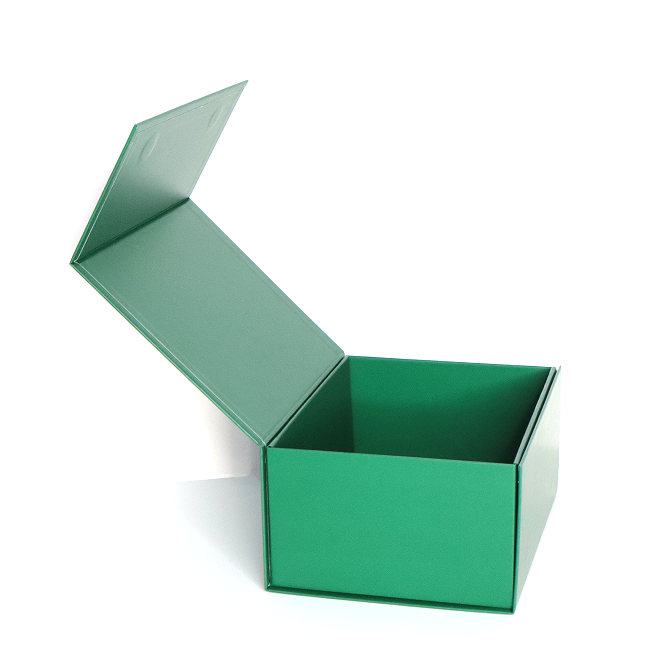
Structural Design: Tape-Free Assembly & Automation Compatibility
Self-locking vs. tuck-top mechanisms: Speed, reliability, and compatibility with high-volume packing lines
The self locking feature on these folding gift boxes means no tape is needed thanks to clever tabs that snap right into those pre cut slots. According to some e commerce numbers we've seen, this cuts down on assembly time by around 40 percent when compared with regular tuck top boxes. The closures stay shut even after rough handling during shipping trips. For warehouses running automated packing lines, these boxes are a godsend since there are no flaps hanging loose or sticky stuff getting everywhere. When looking at actual warehouse operations where they pack over 500 units every hour, self locking systems hit about 99.2 percent reliability rates. That's way better than standard tuck tops which only manage around 87 percent. Makes sense why so many companies stockpile these during busy seasons when they need maximum throughput without dealing with jammed machines or spoiled shipments.
Die-cut precision and fold tolerance: Why manufacturing consistency directly impacts field assembly success
Getting real world assembly right depends heavily on how accurate those die cuts are. Most manufacturers know that staying within a half millimeter tolerance makes all the difference between gift boxes that work well and ones that constantly fall apart. When creases are consistently deep enough (around 30% of whatever material thickness we're working with) and slots measure exactly as they should, folding becomes much smoother without tears. This cuts down on warehouse labor time significantly and means fewer mistakes during assembly. According to a Shopify logistics report, boxes with more than 0.8mm variation at key joints result in about 23% more assembly problems. Beyond just looking good, these precise measurements actually matter for strength too. Boxes need to hold up against automated palletizing systems that can apply around 12kg of pressure before stacking. Without proper construction, entire shipments might collapse mid transport, causing major headaches for everyone involved.
Material Durability: Balancing Protection, Weight, and Transit Performance
Corrugated, rigid board, and chipboard compared: ECT, puncture resistance, and real-world damage claim data
Selecting the optimal material requires evaluating three interdependent properties:
- Edge Crush Test (ECT) rating: Measures stacking strength. Corrugated leads (32ECT+), followed by rigid board (20–28ECT), then chipboard (sub-15ECT). Higher ECT directly reduces collapse risk in multi-box shipments.
- Puncture resistance: Corrugated’s fluted layer absorbs impact energy 40% more effectively than solid boards in controlled lab testing; chipboard offers minimal protection against sharp objects.
- Damage claim rates: Industry-wide data shows 18% of chipboard shipments incur damage claims—nearly double the 9% rate for rigid board and over three times the 5% rate for 32+ ECT corrugated. Weight differences are negligible: corrugated adds only 8–12% mass versus alternatives.
Case study: 23% fewer damage claims after switching to 32ECT corrugated folding gift boxes (Shopify cohort, Q3 2023)
A mid-sized cosmetics brand replaced rigid board folding gift boxes with 32ECT corrugated versions across 15,000 tracked shipments. Over 90 days, results showed:
- 23% reduction in damage claims, despite identical products, carriers, and handling protocols
- No increase in dimensional weight fees, thanks to precise box sizing
-
17% lift in customer satisfaction scores, attributed to consistently pristine product arrival
This confirms that higher-ECT materials deliver measurable reductions in operational cost, returns, and brand reputation risk.
Dimensional Efficiency: Right-Sizing Folding Gift Boxes to Minimize Shipping Costs
How excess void space inflates dimensional weight — and when 'just-fit' compromises protection
Shipping companies figure out how much to charge based on something called dimensional weight, basically measuring space rather than just what the scale says. When it comes to those big folding gift boxes, they tend to drive up these calculations way more than their actual weight would suggest. Sometimes folks end up paying 40% extra because of this weird math. But here's the catch: if we pack these boxes completely tight with no empty spaces, things get damaged during transport. There needs to be room inside for proper padding so items don't smash against each other when dropped or bumped around. Finding that sweet spot between saving money on shipping costs and keeping packages safe remains a challenge for many businesses trying to optimize their logistics.
- Maintain 1.5–2 cm internal buffer for protective materials
- Align internal dimensions precisely with product + mandatory padding specs
- Use millimeter-level adjustments to avoid carrier rate-bracket thresholds
E-commerce operations that reduce box volume by 15–20% typically lower monthly shipping costs by 8–12%. However, logistics audits show that removing all void space elevates damage rates by 18–25%. Right-sizing, therefore, means strategic internal spacing—not minimalism—supported by structural design that preserves integrity without excess air.
Customization vs. Standard Folding Gift Boxes: Speed, Scalability, and Brand Impact
Fulfillment trade-offs: Stock folding gift boxes (2-day ship) vs. custom die-cut (12–18 days + setup cost)
Standard folding gift boxes make it possible to fulfill orders quickly since most common sizes are ready to ship within just two business days. This gives companies much needed flexibility when dealing with those busy seasonal periods. On the flip side, getting custom die cut boxes takes considerably longer though. We're talking around 12 to 18 days just for the design approval process alone, not to mention making the templates and sourcing materials. Plus there are these big initial costs for tools and plates that can really add up. Choosing between them comes down to what matters most at any given moment. If speed is critical for launching something new, then standard boxes win hands down. But if businesses want that perfect fit for their products, better structural integrity, and opportunities for stronger brand presence across different sizes, they'll need to plan ahead for the custom option despite the extra lead time and investment required upfront.
When branded folding gift boxes drive measurable ROI in repeat purchase rate and unboxing shareability
When it comes to custom folding gift boxes, they do much more than hold products - these boxes actually become part of the marketing strategy itself. Think about all those unique textures, special inserts designed for specific items, and the overall story told through visuals when someone opens the box. People love sharing these kinds of experiences on social media too. According to Packaging Insights from last year, luxury shoppers are posting about their unboxing adventures online almost 78% more often now. And here's something interesting: when customers see that extra effort put into presentation, they tend to come back for more. Studies show around 35% increase in repeat purchases because folks start connecting good design with better quality products and trustworthy brands. For high end companies, this boost in customer loyalty actually pays off pretty quickly. Most find that what they spend on custom packaging gets covered within two to three orders at most. What starts as an expense turns into something valuable over time as customers keep coming back again and again.
Frequently Asked Questions
What are the benefits of self-locking gift boxes compared to tuck-top boxes?
Self-locking gift boxes save about 40% in assembly time, are reliable with 99.2% rate, and are compatible with automated packing lines, unlike tuck-top boxes which have a 87% reliability rate.
Why is die-cut precision important in the manufacturing of gift boxes?
Die-cut precision is crucial for easy and error-free assembly. Variations more than 0.8mm in die-cuts can lead to 23% more assembly issues, affecting both assembly time and package strength.
How does material choice affect the durability of gift boxes?
Material impacts stacking strength and puncture resistance. Corrugated material with 32ECT+ rating performs better in protecting contents and minimizing damage claims compared to rigid board and chipboard.
How can right-sizing gift boxes help reduce shipping costs?
By reducing box volume by 15–20% and maintaining a small internal buffer, e-commerce operations can lower shipping costs by 8–12% while ensuring protection of contents with strategic internal spacing.
When should a business opt for custom gift boxes over standard ones?
Custom gift boxes should be chosen for better structural integrity, perfect fit, and improved brand presence despite longer lead times and initial costs. They also enhance repeat purchase rates and social media shareability.
Table of Contents
- Structural Design: Tape-Free Assembly & Automation Compatibility
- Material Durability: Balancing Protection, Weight, and Transit Performance
- Dimensional Efficiency: Right-Sizing Folding Gift Boxes to Minimize Shipping Costs
- Customization vs. Standard Folding Gift Boxes: Speed, Scalability, and Brand Impact
-
Frequently Asked Questions
- What are the benefits of self-locking gift boxes compared to tuck-top boxes?
- Why is die-cut precision important in the manufacturing of gift boxes?
- How does material choice affect the durability of gift boxes?
- How can right-sizing gift boxes help reduce shipping costs?
- When should a business opt for custom gift boxes over standard ones?