 EN
EN

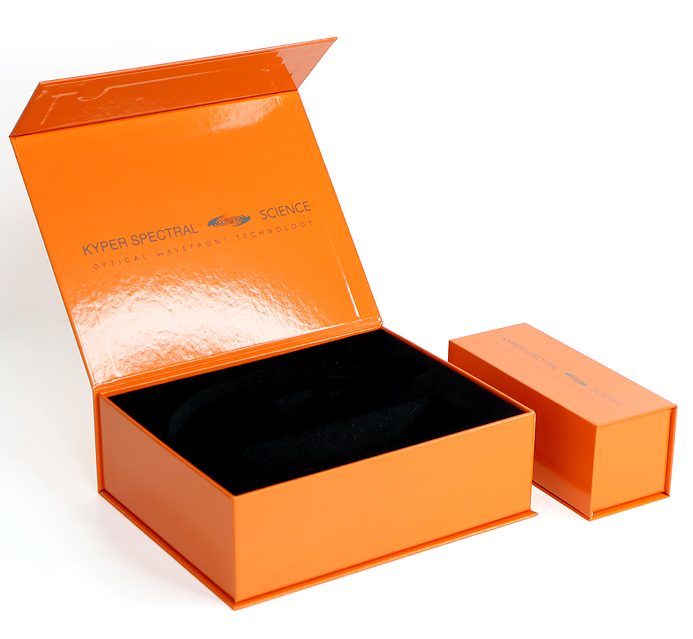
Grey Board: The Foundational Material Defining Rigid Box Durability
How Thickness (1.5–3.0 mm) Directly Impacts Crush Resistance and Shelf-Ready Sturdiness
When it comes to grey board performance in rigid box construction, thickness really matters. Boards between 1.5 and 3.0 mm offer good resistance against compression forces during shipping and storage, which protects those delicate cosmetic products we all know can be so easily damaged. Testing has found that 3.0 mm boards handle about 40% more stacking pressure than their thinner counterparts before they start to deform. This makes all the difference on store shelves where boxes need to maintain their shape without developing annoying corner dents or collapsing at the edges. For lighter items that won't face much rough handling during transport, the thinner boards ranging from 1.5 to 2.0 mm work just fine. But when dealing with high-end cosmetics that customers expect to look pristine, going for 2.5 to 3.0 mm boards pays off since these can stand up to around 15 kg of weight without getting crushed. Finding the right balance between adequate protection and efficient use of materials affects how long a rigid box lasts and how often it gets damaged in practice.
Density Matters: Why 600–900 g/m² Grey Board Optimizes Rigidity, Print Quality, and Sustainable Weight
The density of grey board changes how we think about it completely—from just something to fill space into a real workhorse material. Boards weighing between 600 to 900 grams per square meter hit that sweet spot where they become really rigid yet still lightweight. These boards can bend about 25 percent better than ones with lower densities, which matters a lot in packaging design. The right density also makes printing look much better on the final product. Smoother surfaces mean less problems with ink getting absorbed when creating those detailed brand logos, plus the board stays stable enough for fancy touches like embossing or foil stamping. And here's another bonus nobody talks about much: using this optimal density actually helps the environment. Take a board rated at 750 grams per square meter versus one at 1000 grams. They offer similar protection but the lighter version cuts down carbon emissions during shipping by around 18% based on last year's Packaging Sustainability report. Cosmetic packaging especially benefits from this balance, looking luxurious while still being kinder to the planet.
Reinforcing Layers: Paper Wrap and Interior Lining for Real-World Rigid Box Protection
Abrasion-Resistant Wraps: Cotton-Blend Kraft vs. Foil-Laminated Papers in High-Touch Retail Environments
Retail stores that see lots of foot traffic need packaging that can take a beating without falling apart. Cotton blend kraft paper stands up pretty well against scratches and tears. The rough texture actually helps people grab onto packages better, which cuts down on slips and drops. For those fancy cosmetic displays where looks are everything, foil laminated papers give that nice shiny finish plus extra protection against scratches. Eco friendly brands tend to go with cotton kraft because it feels good about sustainability. But if looking good is priority number one, then nothing beats the way foil versions hold their shine over time. Some tests have shown these materials barely show wear even after being handled hundreds of times, so products stay looking sharp and feeling solid right there on the shelf where customers reach for them.
Impact-Absorbing Linings: Velvet, PET Film, and Recycled Felt as Critical Secondary Barriers
The interior lining in packaging plays a crucial role when products get shipped or accidentally dropped. Velvet offers a soft touch that gently holds fragile objects in place. PET film acts as a shield against moisture, stopping condensation from forming inside the box. Recycled felt is another great option because it absorbs impacts really well and supports sustainability efforts since it can be compressed easily to protect against sudden bumps. Industry testing has shown that boxes lined correctly suffer less than a third of the damage seen in standard cardboard containers. For companies shipping delicate beauty products like glass jars or ceramic compacts, these specialized linings turn ordinary boxes into protection systems that keep expensive goods safe throughout their journey.
Performance Validation: How Rigid Box Materials Withstand Shipping and In-Store Demands
ISTA 3A Data Insights: 68% Lower Damage Rates with ≥2.5 mm Grey Board in E-Commerce Fulfillment
How durable a rigid box is makes all the difference when it comes to protecting products as they move through the supply chain. The ISTA 3A test standard simulates real world shipping dangers including drops from height, constant vibrations, and pressure from being squished together. When looking at actual performance data, boxes made with grey board that's at least 2.5 mm thick show around 68% fewer damages than boxes with thinner walls in online order fulfillment scenarios. This level of thickness really helps prevent crushing when boxes get stacked high in warehouse storage areas or squeezed into delivery trucks. Boxes with thinner walls tend to give way when subjected to weights over 30 kg during transport, which can ruin the appearance of the products inside. Companies that want to minimize returns and keep their products looking good on store shelves should consider switching to this minimum 2.5 mm grey board specification for better protection throughout the entire shipping process.
Strategic Material Selection: Aligning Rigid Box Construction with Brand Tier and Distribution Channel
When choosing materials for those fancy cosmetic boxes, companies need to think about what their brand stands for and how practical things actually are when shipping products around. High end luxury brands really go all out on quality stuff. They use thick grey cardboard boards measuring somewhere between 2.5 to 3 millimeters thick, then wrap them up in these soft touch paper finishes or shiny foils. The whole point is to make customers feel like they're getting something special worth paying extra money for. These kinds of boxes stand out on store shelves at upscale boutiques because people want to run their hands over them before buying. For brands sitting in the middle market range, there's always this tightrope walk between spending too much and still protecting the product properly. Most go with standard 2mm grey board covered in matte finish wraps. It works well enough for regular retail display purposes without breaking the bank too badly.
For e-commerce-first brands, durability supersedes aesthetics: 2.5 mm+ grey board paired with impact-absorbing PET linings minimizes shipping damage. Studies show a 25% reduction in transit claims when material density exceeds 750 g/m². Budget-oriented lines may opt for 1.5 mm board but reinforce corners with internal structures, accepting minor trade-offs in perceived luxury.
Distribution channels further dictate specifications:
- Direct-to-consumer shipping demands ISTA 3A-compliant crush resistance
- Retail shelf displays favor thinner profiles (≥2.0 mm) with premium surface textures
- Subscription boxes require standardized sizes for automated fulfillment, influencing liner choices
Aligning these factors ensures the rigid box protects products economically while amplifying brand identity through tactile and visual cues.
Table of Contents
- Grey Board: The Foundational Material Defining Rigid Box Durability
- Reinforcing Layers: Paper Wrap and Interior Lining for Real-World Rigid Box Protection
- Performance Validation: How Rigid Box Materials Withstand Shipping and In-Store Demands
- Strategic Material Selection: Aligning Rigid Box Construction with Brand Tier and Distribution Channel