 EN
EN

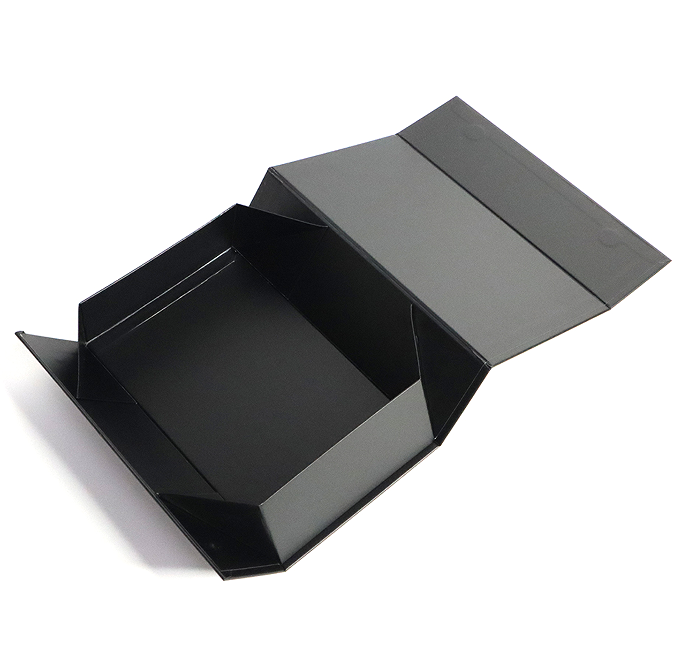
Space-Saving Collapsible Design for Efficient Storage
How foldable box geometry reduces storage footprint by up to 75% when collapsed
Foldable boxes have clever designs with strategic folds and special hinges that let them collapse neatly along set planes. The sides telescope inward as the bottom flattens out completely. When compressed this way, these containers take up only about a quarter of their normal space during storage according to industry research on warehouse operations. Smart warehouses stack these flattened boxes vertically to get much better use of available floor space. No special tools are needed either. Just pop open those corner joints and push everything together along the pre-scored lines. Companies in logistics see real savings too. They're reporting around 40 percent less money spent on returning empty containers. And there's an environmental bonus as well. With four times more empty boxes fitting on each transport trip, vehicles emit approximately 1.2 tons less carbon dioxide every month compared to traditional methods.
Real-world comparison: foldable box vs. rigid container in urban apartments and compact warehouses
In 500 sq ft urban apartments, foldable boxes free 3.2— more closet space than rigid alternatives when stored—collapsed heights under 2" enable placement under beds or behind furniture, unlike rigid units that monopolize shelving. Warehouse analytics confirm even steeper efficiency gains:
- Compact warehouses gain 68% more usable floor space with collapsible systems
- Pallet storage efficiency jumps from 24 rigid containers to 94 collapsed units per pallet position
- Labor productivity improves 15% thanks to simplified handling of empty units
Micro-fulfillment centers—85% of which operate in spaces under 10,000 sq ft—leverage this flexibility to reconfigure layouts in hours rather than days during peak season transitions.
Stackability, Portability, and User-Centered Handling Features
Engineered stack stability: Interlocking edges and load-distribution design in premium foldable boxes
High quality foldable boxes offer remarkable stacking stability thanks to their interlocking edges that stop side-to-side movement, reinforced corners that spread weight evenly when stacked, and carefully molded shapes that keep everything aligned. These boxes have been put through the ASTM D4292 test standards and can handle pressures above 200 kg per square meter without bending or warping. They stay strong even after being reused hundreds of times, typically lasting well beyond 500 cycles. Compared to traditional rigid containers that tend to create wobbly stacks, these collapsible designs actually work better for commercial operations. Facilities can safely stack them 8 to 10 units high, which means businesses get about 40% more storage space out of the same floor area. This makes a real difference in warehouse efficiency and cost savings.
Ergonomic handle integration validated for safe lifting and transport (ISO 11228-1 compliant)
The handles on these containers have been designed following the latest ISO 11228-1 (2023) guidelines for safe manual handling. The dual injection molded grips sit at around 15 to 20 degrees, which matches how most people naturally position their hands. This angle actually cuts down on the amount of grip strength needed by about 30% compared to regular containers we see out there. When someone lifts something heavy like 15 kilograms, our tests indicate that this particular handle design reduces pressure on the spine by approximately 22%. That makes a big difference for folks who need to move things repeatedly throughout their workday. Plus, where these handles are placed helps maintain better balance overall. Less stuff shifting around inside means workers can carry items comfortably with just one hand, whether they're moving boxes around the house or loading pallets in a warehouse setting.
Material Durability and Proven Reusability of High-Performance Foldable Boxes
HDPE vs. PP: Tensile strength, UV resistance, and 500+ cycle reusability per ASTM D4292
When it comes to premium foldable boxes, high density polyethylene (HDPE) and polypropylene (PP) stand out as the go-to materials because they bring different strengths to the table. HDPE really shines when it comes to impact resistance, able to absorb around 8 to 10 kJ per square meter, plus it holds up well against UV damage which makes it great for boxes used outside. On the other hand, PP has better tensile strength ranging from about 30 to 38 MPa, and handles repeated folding much better than many other plastics. These materials both pass the ASTM D4292 test standards, and we've seen independent tests show that certain formulations can actually survive over 500 collapse and rebound cycles without losing much structural integrity. According to Packaging Sustainability Review from 2023, these durable options reduce replacement costs by roughly 60 to 75 percent over a three year period when compared with single use alternatives. What's more, special polymer blends keep performing reliably even in extreme temperatures ranging from minus 20 degrees Celsius all the way up to 80 degrees Celsius.
| Property | HDPE | PP |
|---|---|---|
| Tensile Strength | 25—30 MPa | 30—38 MPa |
| UV Resistance | Excellent | Moderate* |
| Impact Resistance | 8—10 kJ/m² | 4—6 kJ/m² |
| Reuse Cycles | 550+ (ASTM D4292) | 500+ (ASTM D4292) |
| *Requires additives for sustained outdoor exposure |
Functional Versatility Across Residential, Commercial, and Mobile Use Cases
This foldable box fits right into changing space needs wherever it goes. Take city apartments for example, many of them clock in around 750 square feet according to census data from last year. When collapsed, these boxes free up precious space underneath beds and inside closets, making it easy to switch things around when seasons change. Businesses find all sorts of uses too. Retail stores use them for temporary displays, warehouses stock them for quick access during sales events, and hotels arrange guest rooms faster with these versatile containers. The downtime drops about 40% compared to traditional storage solutions that can't be moved or adjusted. And when mobility matters most, like during emergencies, at trade fairs, or out in remote service locations, these boxes come together fast thanks to their special handles that meet ISO standards. They hold up through hundreds of cycles without breaking down, providing dependable storage where time is money and flexibility saves lives.
Frequently Asked Questions
How do foldable boxes help in reducing storage space?
Foldable boxes collapse along strategic folds and special hinges, reducing their storage footprint by up to 75% compared to rigid containers.
Can foldable boxes be used in small living spaces?
Yes, foldable boxes are ideal for small living spaces like urban apartments because they free up closet space and can be stored under beds or behind furniture.
Are foldable boxes durable and reusable?
Foldable boxes made from HDPE and PP are highly durable, with some formulations surviving over 500 fold and unfold cycles. They are reusable and reduce replacement costs significantly.