 EN
EN
Structural Integrity and Protection: Rigid Box vs Corrugated Box
Material Composition and Construction Differences
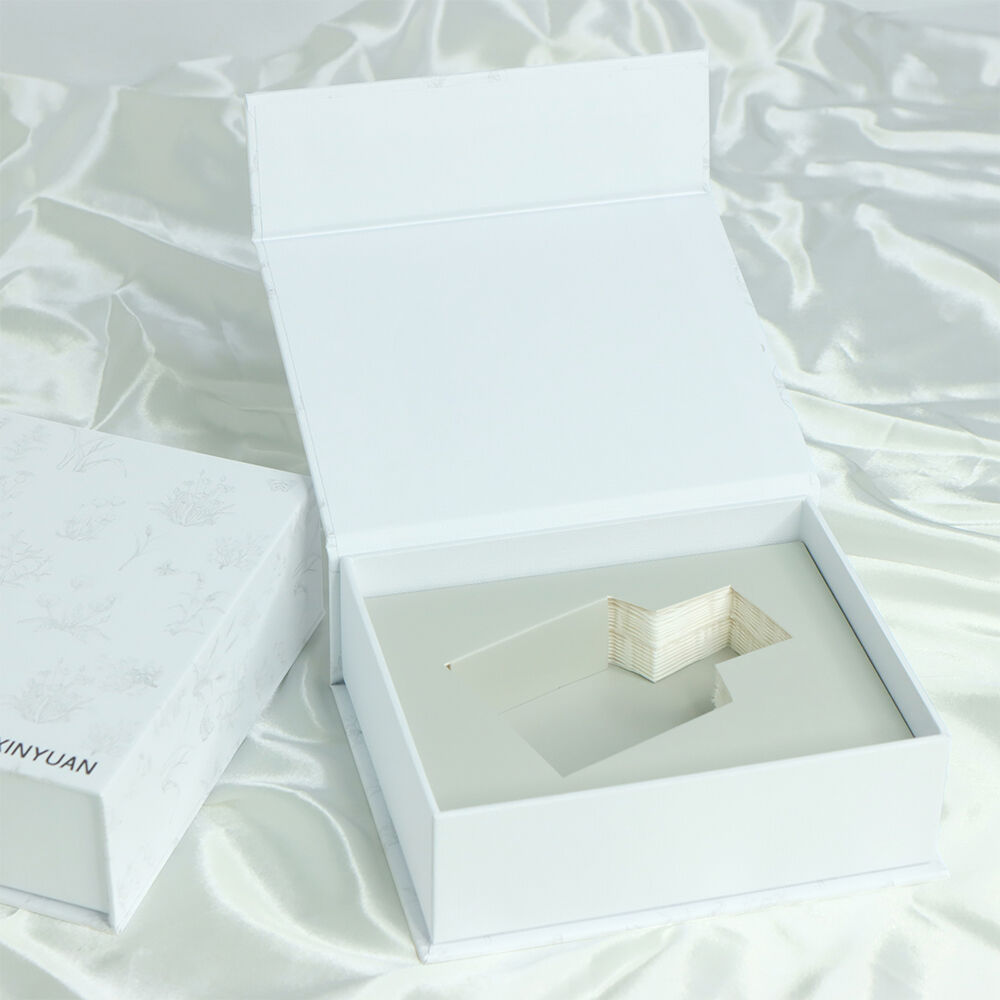
Hardcase boxes get made from thick paperboard or wood products that have been layered to make them tough, giving these containers their strong, unyielding shape. Corrugated cartons work differently though they feature those wavy layers stuck between flat sheets, which creates this cushiony effect inside the box. According to some studies published in Packaging Materials Journal last year, these corrugated materials can soak up around 60 percent more shock compared to regular solid board. That makes sense why so many companies prefer them when goods need to travel through rough handling situations during transport.
Impact Resistance and Durability in Shipping and Handling
While rigid boxes excel in crush resistance–80% maintain structural integrity under 50 lbs of pressure compared to 65% for double-wall corrugated–the latter’s fluted core reduces vibration damage by 40% during transit. This makes corrugated packaging particularly effective at protecting items over long distances or through multiple handling stages.
Weight Capacity and Performance Under Pressure
| Metric | Rigid Box | Corrugated Box |
|---|---|---|
| Max Static Load | 200 lbs | 120 lbs |
| Stacking Limit | 8 boxes | 5 boxes |
Rigid boxes are the preferred choice for heavy electronics, correlating with an average 18% reduction in shipping claims. Conversely, corrugated boxes dominate lightweight e-commerce shipments (<10 lbs) due to their 92% cost efficiency and compatibility with automated fulfillment systems.
Case Study: Electronics Packaging Using Rigid Box for Maximum Protection
A leading electronics manufacturer reduced product damage by 73% after switching to rigid boxes with custom foam inserts. These packages successfully passed 12 ft drop tests–outperforming previous corrugated solutions by 30%–demonstrating superior protection for high-value goods.
Trend: Rising Demand for High-Performance Rigid Boxes in Fragile Goods Logistics
Shipments of fragile goods using rigid boxes have grown 42% since 2021, driven by a 55% decrease in insurance claims. Luxury brands now allocate 18–25% of product budgets to rigid packaging, recognizing its role in ensuring premium protection and minimizing losses.
Brand Presentation and Customization: The Advantage of Rigid Box
The Role of Packaging in Premium Brand Identity
The package is usually what people touch first when they encounter a brand physically, and this initial contact plays a big role in how folks form opinions about products. Rigid boxes stand out because of their solid construction and neat appearance, which most people connect with luxury goods. According to recent studies from Luxury Packaging (2023), around three quarters of shoppers associate these types of boxes with quality craftsmanship, whereas only about 42% make that connection with regular cardboard packaging. Companies that spend money on customizing their rigid boxes tend to boost brand awareness by roughly 30%, according to Printing Street's findings from last year. And this makes sense economically too since customers generally accept paying almost double prices for items packaged this way.
Superior Print Quality and Surface Finishes with Rigid Box
Rigid packaging allows for all sorts of fancy printing options these days. Think high res graphics, metallic colors, those nice soft touch coatings, even embossing effects that really pop out at customers. A recent look into what's happening in luxury branding shows something interesting about embossed logos specifically. When brands put their logo on rigid boxes with this raised effect, people remember them better than just regular flat printed ones. The numbers back this up too – around 34% improvement in brand recall according to a 2024 study. And it's not just about looks either. Over two thirds of shoppers actually say the feel of a product matters when they decide whether to buy it or not. So all these special finishes aren't just pretty extras anymore. They create real separation between products on store shelves where everything else looks so similar.
Case Study: Luxury Cosmetics Brands Elevating Unboxing Experience with Rigid Box
After redesigning its packaging with magnetic-closure rigid boxes and velvet-lined interiors, a top cosmetics brand saw customer retention rise by 22% within six months. Social listening tools detected a 150% increase in user-generated unboxing content, attributed to the packaging’s “Instagrammable” appeal and perceived exclusivity.
Trend: Growth of Custom Die-Cut and Interactive Rigid Box Designs
Brands are increasingly adopting experiential rigid box designs, including puzzle-style reusable boxes that convert into display stands, die-cut windows with augmented reality triggers, and interior compartments with reveal mechanisms. These innovations contribute to 35% higher repeat purchase rates in competitive markets by transforming packaging into a memorable brand experience.
Strategy: Aligning Packaging Choice with Brand Positioning (Premium vs. Economy)
| Factor | Premium Brand Strategy | Economy Brand Strategy |
|---|---|---|
| Packaging Material | Rigid box with custom finishes | Recycled corrugated box |
| Cost Allocation | 12–18% of product price | 4–7% of product price |
| Customer Expectation | Luxury unboxing experience | Functional product protection |
To maximize ROI, brands should align packaging investment with product pricing: rigid boxes are most effective for items retailing above $75, while corrugated solutions better serve budget-conscious segments.
Why Corrugated Boxes Dominate E-Commerce and Subscription Fulfillment
About three quarters of all online shopping packages come in corrugated cardboard boxes according to Packaging Insights data from last year. These boxes have this special layered design with a fluted middle section that gives pretty good protection compared to stiff cardboard boxes but costs around half as much to make. The fact that they come in standard sizes makes them work really well with those big machines that pack orders automatically in warehouses. Plus, since they're not too heavy, companies save money on shipping charges too. We saw this happen when Amazon renegotiated deals with carriers back in 2023, where lighter boxes meant significant savings across millions of packages shipped each month.
Comparative Cost Analysis: Corrugated vs Rigid Box
| Cost Factor | Corrugated Box | Rigid Box |
|---|---|---|
| Base material cost | $0.18–$0.35/box | $1.20–$4.00/box |
| Custom tooling | Not required | $800–$2,500 |
| Shipping cost/unit | $0.32 | $0.57 |
| Data sourced from ISTA 2024 transit testing and Gartner procurement benchmarks |
Startups leveraging corrugated packaging report 22% lower customer acquisition costs through eco-friendly branding opportunities while maintaining damage rates below 2%.
Case Study: Startups Reducing Packaging Costs with Corrugated Boxes
A direct-to-consumer skincare brand achieved a 40% reduction in packaging costs by transitioning from rigid boxes to FSC-certified corrugated mailers, preserving a premium unboxing experience through custom print and design. Operational improvements included a 27% faster order processing time, 15% reduction in warehouse storage fees, and 94% customer satisfaction on packaging quality.
Trend: Automation in Corrugated Production Lowering Unit Prices
Digital die-cutting technologies have reduced per-unit costs by 11% annually since 2020 (PMMI, 2024), enabling smaller minimum order quantities (as low as 100 units) compared to rigid boxes, which typically require MOQs of 5,000+. These advancements allow SMBs to access custom packaging at scale, with production speeds reaching 30 ms/box.
Strategy: Balancing Protection Needs with Budget Constraints
A hybrid packaging strategy optimizes both cost and protection:
- Reserve rigid boxes for flagship products (※10% of SKUs)
- Use crush-test-certified corrugated boxes for 90% of inventory
- Implement smart packaging software to optimize box sizing, reducing void fill costs by 33%
- Leverage Q2 manufacturing lulls for bulk seasonal orders, capturing up to 17% discounts
With a 96% recyclability rate (Fibre Box Association, 2024), corrugated packaging supports sustainability goals without compromising protection, proving that high performance doesn’t require rigid box pricing.
Sustainability Comparison: Environmental Impact of Rigid and Corrugated Boxes
Consumer Demand for Eco-Friendly Packaging Solutions
Seventy-three percent of global consumers prioritize sustainable packaging when making purchases (2024 Global Packaging Trends Report). This growing preference drives brands toward materials like corrugated boxes, which contain up to 70% recycled content, versus rigid boxes that average 32% non-recyclable laminates.
Recyclability and Biodegradability: Corrugated vs Rigid Box Materials
Corrugated boxes decompose within six months under composting conditions, whereas rigid boxes with polymer coatings can take 3–5 years to break down. A 2023 lifecycle analysis found that corrugated packaging achieves a 92% recycling participation rate, significantly outpacing the 41% rate for rigid alternatives.
Controversy: Are Rigid Boxes Justifiable Despite Lower Recyclability?
Despite their lower recyclability, rigid boxes remain essential for protecting high-value shipments such as medical equipment worth $740k or more (Ponemon, 2023), where failure is not an option. This creates a sustainability paradox: maximum protection versus end-of-life environmental impact.
Table of Contents
-
Structural Integrity and Protection: Rigid Box vs Corrugated Box
- Material Composition and Construction Differences
- Impact Resistance and Durability in Shipping and Handling
- Weight Capacity and Performance Under Pressure
- Case Study: Electronics Packaging Using Rigid Box for Maximum Protection
- Trend: Rising Demand for High-Performance Rigid Boxes in Fragile Goods Logistics
-
Brand Presentation and Customization: The Advantage of Rigid Box
- The Role of Packaging in Premium Brand Identity
- Superior Print Quality and Surface Finishes with Rigid Box
- Case Study: Luxury Cosmetics Brands Elevating Unboxing Experience with Rigid Box
- Trend: Growth of Custom Die-Cut and Interactive Rigid Box Designs
- Strategy: Aligning Packaging Choice with Brand Positioning (Premium vs. Economy)
- Why Corrugated Boxes Dominate E-Commerce and Subscription Fulfillment
- Sustainability Comparison: Environmental Impact of Rigid and Corrugated Boxes