 EN
EN
Why Toy Packaging Matters More Than Ever
Toy packaging is far more than just a protective layer for the products inside. It is the first point of contact between a toy and its young audience, as well as the parents who make purchasing decisions. For children, eye-catching and playful packaging sparks curiosity and imagination, turning a simple toy into a coveted treasure. For parents, child-friendly design, safety, and practicality are non-negotiable factors that influence their buying choices. In the competitive toy market, packaging that balances engagement for kids and peace of mind for caregivers has become a key differentiator for brands. Additionally, high-quality toy packaging serves as a powerful branding tool, helping toy companies stand out on crowded retail shelves and build long-term recognition among their target consumers. A well-designed toy package not only protects the toy during shipping and storage but also enhances the overall unboxing experience, creating lasting positive memories for children.
Core Principles of Child-Friendly Toy Packaging
Safety First in Every Detail
The most fundamental principle of child-friendly toy packaging is uncompromising safety. All materials used in toy packaging must be non-toxic, free from harmful chemicals such as BPA, phthalates, and lead, to ensure they pose no risk to children who may touch, bite, or interact with the packaging. Edges and corners of packaging boxes should be rounded to prevent cuts or scrapes, and any fasteners or closures should be easy for adults to open but difficult for young children to access unsupervised, avoiding potential choking or suffocation hazards. Rigid paper-based packaging, such as the magnet boxes and lid and base boxes crafted by professional manufacturers, offers a safe alternative to plastic packaging, as it is sturdy yet free from harmful additives and easy to recycle.
Durability for Play and Protection
Toys are meant to be played with, and their packaging should be durable enough to protect the product during transportation, retail handling, and even occasional rough use by children. Corrugated paper shipping boxes and rigid paper toy boxes provide excellent structural support, shielding delicate toys from damage, drops, and bumps. Foldable magnetic boxes, a popular choice for premium toy packaging, combine durability with practicality—their sturdy construction keeps toys safe, while their foldable design saves storage space for both brands and consumers. Durable packaging also ensures that the toy remains in perfect condition from the manufacturer to the child’s hands, reducing product returns and increasing customer satisfaction.
Ease of Use for All Ages
Child-friendly toy packaging should be intuitive and easy to use for both parents and older children. Complex closures or excessive packaging layers can frustrate caregivers, while packaging that is too difficult to open may take away from the joy of unboxing for kids. Drawer boxes, for example, are a seamless choice for toy packaging—they slide open smoothly, require no sharp tools to access the toy inside, and can be easily closed and reused for toy storage. Additionally, lightweight yet sturdy paper packaging options make it easy for children to handle the box themselves, fostering a sense of independence and making the unboxing experience more enjoyable.
Designing Engaging Toy Packaging That Captivates Kids
Vibrant Visuals and Playful Themes
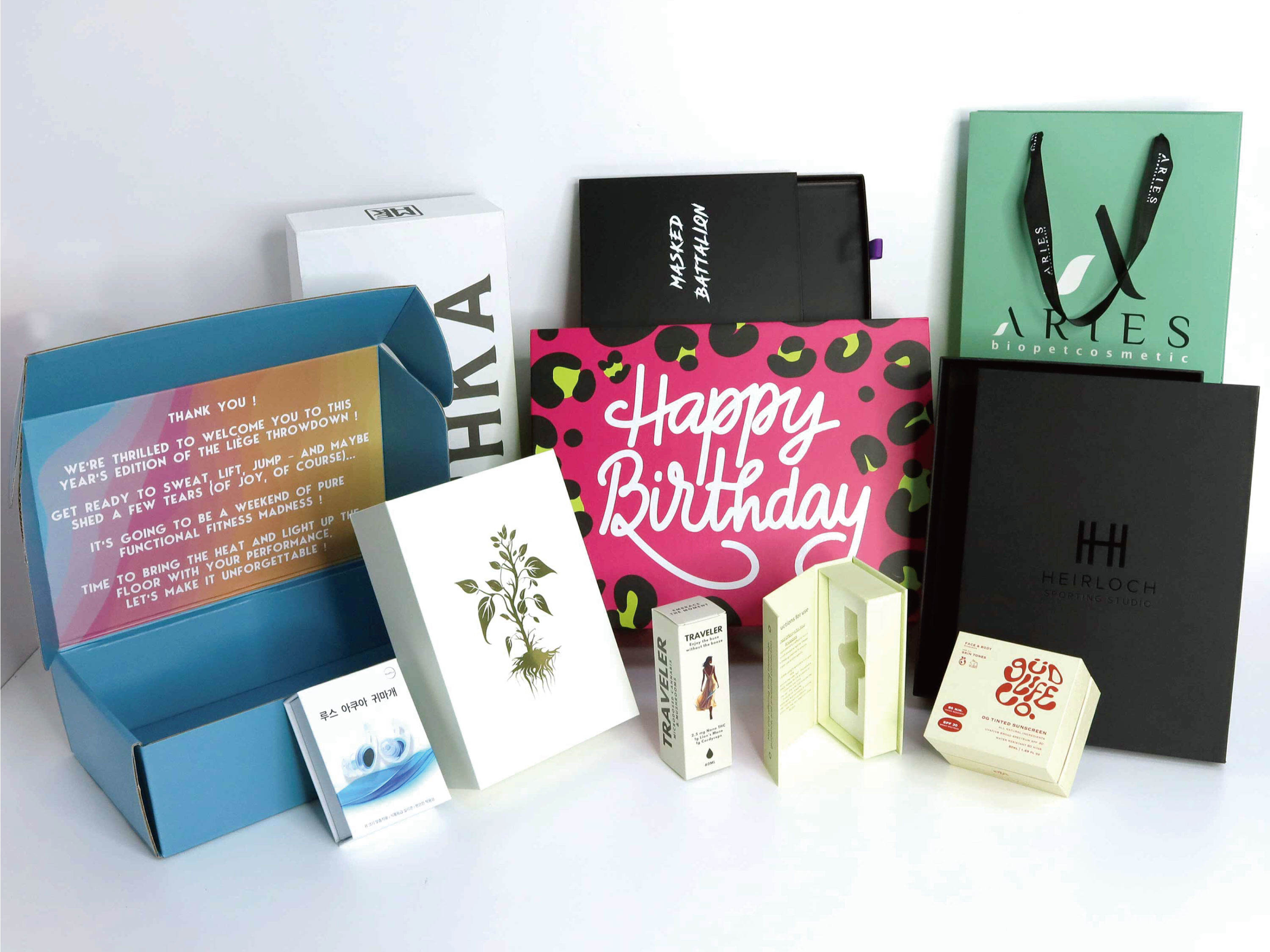
Engagement is at the heart of effective toy packaging, and vibrant visuals are the best way to capture a child’s attention. Bold, bright colors—such as primary hues for young children and soft pastels or bold neons for older kids—draw the eye on retail shelves and align with the playful nature of toys. Packaging designs should feature playful themes that match the toy’s concept, whether it’s a fairy tale for dolls, a space adventure for action figures, or a colorful jungle for educational toys. Custom printing techniques, including gold foil stamping, silver foil stamping, and spot UV, can add texture and dimension to packaging graphics, making characters and designs pop and creating a sense of excitement for children. Professional packaging manufacturers offer a variety of printing art options, allowing toy brands to bring their creative visions to life with high-quality, eye-catching visuals that resonate with young audiences.
Interactive and Imaginative Elements
To make toy packaging even more engaging, adding interactive elements turns the package itself into a small part of the play experience. Cut-out windows on the box let children see the toy inside, building anticipation, while lift-the-flap designs or pop-up graphics add a fun surprise when opening the package. Some toy packaging can even be repurposed into play accessories—for example, a cardboard box for a toy car can be transformed into a race track, or a doll box can become a mini dollhouse. This not only enhances the child’s experience but also adds value for parents, who appreciate sustainable and multi-purpose packaging solutions. Foldable magnetic boxes and lid and base boxes are ideal for repurposing, as their sturdy construction and clean design make them perfect for storing small toys, art supplies, or other children’s items long after the original toy is unboxed.
Age-Appropriate Design Choices
Engaging toy packaging must be tailored to the age group of the target child, as a young toddler’s design preferences are vastly different from those of a pre-teen. For toddlers and preschoolers, packaging should feature large, simple graphics, familiar characters, and tactile elements such as embossing or debossing that encourage sensory exploration. Stereoscopic relief logos add a fun tactile dimension, allowing children to touch and feel the design, which enhances their engagement with the package. For school-aged children and pre-teens, packaging can include more detailed illustrations, puzzle-like elements, or themes centered around hobbies and interests, such as sports, science, or fantasy. By aligning packaging design with a child’s developmental stage, toy brands can create packaging that truly resonates and connects with their audience.
Choosing the Right Packaging Manufacturer for Toy Brands
Expertise in Custom Paper Packaging Solutions
Toy brands need a packaging manufacturer with deep expertise in custom paper packaging, as paper is the most child-friendly, sustainable, and versatile material for toy packaging. A manufacturer with over a decade of ODM and OEM experience, like Guangzhou Oneplusone Packaging Co.,Ltd., understands the unique requirements of toy packaging—from safety standards to engaging design—and can create fully customized solutions that align with a brand’s vision. Whether it’s a foldable magnetic box for a premium collectible toy, a drawer box for a small action figure set, a lid and base box for a doll, or a corrugated shipping box for bulk toy shipments, a professional manufacturer can craft packaging that meets all functional and design needs.
Commitment to Quality and Safety Standards
When it comes to toy packaging, quality and safety are non-negotiable. The right packaging manufacturer will have a professional QC team that enforces strict color management, quality inspection, and surface finishing processes to ensure every package meets the highest safety and quality standards. They will use only food-grade, non-toxic paper materials and printing inks, complying with international safety regulations for children’s products. Advanced production machinery, such as Heidelberg printing machines, ensures that printing is precise and consistent, while over 90 sets of production equipment guarantee high-volume production without compromising on quality—an essential factor for toy brands with large retail demands.
One Stop Service for Seamless Brand Collaboration
Toy brands benefit greatly from a packaging manufacturer that offers a one stop service, from free design and free samples to quick turnaround times and 24/7 online support. A manufacturer that provides free design services can work with toy brands to create packaging that aligns with their branding, toy concept, and target audience, while free samples allow brands to test the packaging for safety, durability, and design before mass production. Small customized MOQ (minimum order quantity) is also a key advantage for small and medium-sized toy brands, as it allows them to create custom packaging without the pressure of large bulk orders. Reliable worldwide logistics and on-time delivery guarantees ensure that toy packaging reaches production facilities or retail locations on schedule, supporting the brand’s supply chain and market launch plans.
Sustainable Toy Packaging: A Win for Kids and the Planet
In today’s eco-conscious market, sustainable packaging is no longer a trend but a necessity—especially for toy brands, as parents are increasingly prioritizing environmentally friendly choices for their children. Paper-based toy packaging is the gold standard for sustainability, as it is made from renewable resources, fully recyclable, and biodegradable, reducing plastic waste and its impact on the planet. Foldable magnetic boxes and other paper packaging solutions also offer eco-friendly practicality: their foldable design saves up to 85% of storage and shipping volume, reducing carbon emissions during transportation and lowering storage costs for brands.
Sustainable toy packaging also teaches children valuable lessons about environmental responsibility from a young age. When kids see that their favorite toys come in packaging that can be recycled or repurposed, they learn the importance of caring for the planet—turning the unboxing experience into a small but meaningful educational moment. Professional packaging manufacturers are committed to creating sustainable packaging solutions, combining child-friendly design with eco-conscious materials to help toy brands build a positive brand image as stewards of the environment.
The Future of Toy Packaging: Where Child-Friendliness Meets Innovation
The future of toy packaging lies in the seamless integration of child-friendly design, engagement, and innovation. As technology advances, packaging manufacturers will continue to develop new paper-based packaging solutions that are even more durable, interactive, and sustainable. Smart packaging elements—such as QR codes that link to digital play experiences or educational content—will add a new layer of engagement, connecting physical toys with digital worlds and enhancing the overall play experience for children.
At the same time, the focus on safety and child-centric design will remain paramount, with manufacturers and toy brands working together to create packaging that meets evolving international safety standards and consumer expectations. Customization will also continue to be a key trend, as toy brands seek unique packaging solutions that reflect their brand identity and stand out in a crowded market. With the right packaging partner, toy brands can create packaging that not only protects their products and captivates children but also builds trust with parents and drives long-term brand success.
In conclusion, toy packaging is a critical component of the toy industry, requiring a delicate balance of child-friendly safety, engaging design, practicality, and sustainability. By adhering to core safety principles, designing for engagement, partnering with a professional custom packaging manufacturer, and embracing sustainable materials, toy brands can create packaging that delights children, reassures parents, and elevates their brand in the competitive toy market. The perfect toy package is more than just a box—it is a gateway to play, imagination, and lasting childhood memories.
Table of Contents
- Why Toy Packaging Matters More Than Ever
- Core Principles of Child-Friendly Toy Packaging
- Designing Engaging Toy Packaging That Captivates Kids
- Choosing the Right Packaging Manufacturer for Toy Brands
- Sustainable Toy Packaging: A Win for Kids and the Planet
- The Future of Toy Packaging: Where Child-Friendliness Meets Innovation